


April 20, 2026
You’re doing everything right—you’ve enrolled your child in preschool, planned activities at home, and tried to stay consistent each day. On the surface, it all looks good. Your child is busy, engaged, and following a routine. And yet, a quiet question keeps coming back:
“Is my child actually learning… or just staying busy?”
It’s not always easy to answer. Because in early childhood, learning doesn’t always look obvious or measurable.
This uncertainty is far more common than most parents and even educators openly acknowledge.
This is where many well-intentioned efforts begin to fall short, not because of a lack of input, but because the learning journey itself isn’t clearly visible.
Children don’t suddenly lose interest in learning. The shift is gradual. What begins as curiosity slowly turns into disengagement, not because the child lacks ability, but because the learning experience lacks clarity and continuity.
In this article, we’ll explore:
• Why children begin to lose interest
• What is often missing in early learning environments
• How simple progress tracking can bring back engagement and purpose
Why Children Lose Interest in Learning
Young children are naturally inclined to explore and learn. When that interest fades, it is usually a signal, not a problem in itself, but a response to how learning is structured around them.
1.No Visible Progress
Children need to feel that they are getting better at something.
When learning looks like:
- Repeating similar activities
- No clear improvement is being noticed
- No feedback on what has changed
they begin to disengage.
For a child, effort without visible progress can feel confusing. They may not be able to express it, but internally, they start to question the purpose of the activity.

2. Too Much Activity, Too Little Structure
Today, many children are exposed to multiple learning experiences, such as preschool, activity classes, and home-based activities. While the intention is positive, the overall experience can become fragmented when it lacks structure.
When learning is either overly unstructured or not meaningfully connected:
- Skills are not developed with a clear intent
- Activities don’t build on each other
- There is no visible sense of progression
- The purpose behind each activity remains unclear
Children may enjoy each moment in isolation, but without continuity and direction, the experience lacks depth.
Over time, this can lead to a subtle shift, where children feel overstimulated, yet under-engaged.
3. Lack of Recognition
Children respond strongly to being seen and acknowledged.
When their efforts are not:
- Noticed
- Specifically described (“You focused longer today”)
- Encouraged in meaningful ways
they gradually lose connection with the activity.
Recognition doesn’t have to be praise-heavy. It simply needs to be specific and consistent.
The Missing Piece — Tracking Progress
A common gap across both homes and early learning centres is the absence of simple, structured progress tracking.
Tracking is not about pressure or performance.
It is about making learning visible and meaningful.
What Does “Tracking Progress” Mean?
In early childhood, tracking progress involves:
- Identifying a specific skill
- Observing how the child engages with it
- Noting small improvements over time
For example:
- A child who focuses for 3 minutes now stays engaged for 7
- A child who needed help with puzzles begins to complete them independently
These are meaningful indicators of development.
Why Tracking Changes the Learning Experience?
1. It Makes Growth Visible and Meaningful to the Child
Young children may not always be able to explain what they’ve learned, but they can feel it.
When a child notices, even in small ways, that they can do something better than before, it creates a sense of progress. When this progress is connected to a clear purpose, what they are practicing and why, it becomes even more meaningful.
Over time, this builds an inner belief:
“I can do this, and I know what I’m getting better at.”
2. It Gives Parents and Educators a firm Direction
Without tracking, it’s easy to rely on assumptions, what feels like progress rather than what is actually changing.
Simple observation helps parents and educators understand:
- What skill is the child working on
- How is that skill developing over time
- Where the child may need more support
This also brings purpose to everyday activities. Instead of adding more tasks, parents and educators can choose and guide activities with clear intent, making learning more connected, thoughtful, and effective.
How Tracking Progress Keeps Children Engaged
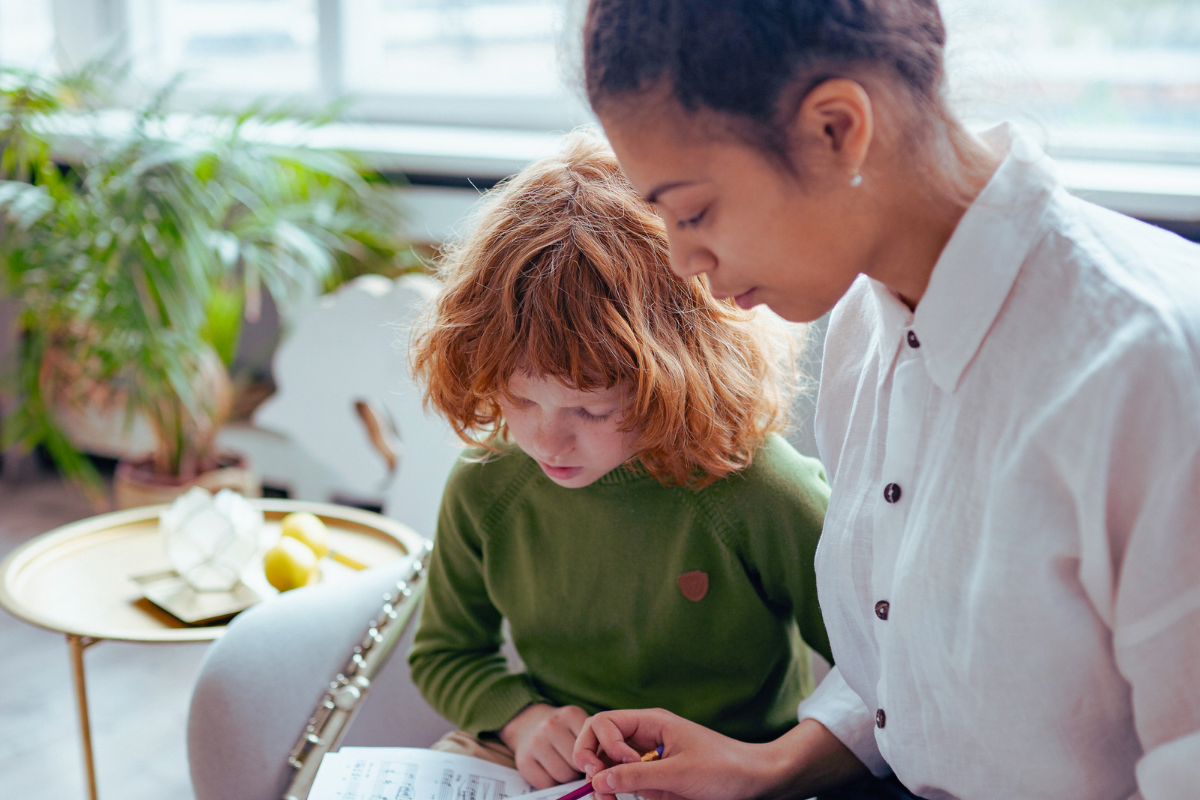
When progress becomes clear, learning feels rewarding instead of repetitive.
1. It Highlights Small Wins
Early learning grows through steady progress, like sitting longer, trying again, or completing tasks with less help. Tracking makes these changes visible and meaningful.
2. It Builds Confidence
Confidence develops through experience. When children hear, “You did this faster today,” or “You tried this on your own,” they begin to trust their ability to learn.
3. It Reduces Resistance
Without obvious progress, repetition feels unnecessary. With tracking, it becomes purposeful “Let’s see how you do today compared to yesterday,”—which naturally reduces resistance.
4. It Strengthens Adult-Child Interaction
Tracking leads to more meaningful conversations focused on effort and improvement, building trust and deeper engagement.
Simple Ways to Start Tracking Learning at Home
Tracking does not require complex systems. It works best when it is simple and consistent.
1. Focus on a Few Core Skills
For children aged 3–5, choose a small set of key skills such as attention span, fine motor skills, problem-solving, communication, and independence, and stay consistent with them.
Focusing on fewer areas makes it easier to:
- Notice real improvement
- Understand what your child is learning
- Avoid feeling scattered or overwhelmed
This makes tracking more meaningful.
2. Observe Without Judging
Shift from evaluation to observation.
Instead of “You didn’t do this properly,” say “You stayed with this activity for 5 minutes today.”
This keeps the learning environment supportive and encouraging.
3. Note Small Changes
Track simple indicators like:
- Time spent on a task
- Level of help needed
- Ability to complete independently
A basic notebook or weekly sheet is enough.
4. Share Progress with Your Child
Use simple statements like:
“You needed help last time; today, you tried it yourself.”
This builds awareness, confidence, and a sense of ownership.
5. Stay Consistent
Consistency matters more than perfection.
Small, regular observations create meaningful patterns over time.
Why Daily Tracking of Activities Matters for Cognitive Development
Research strongly supports the importance of tracking children’s daily activities—not just overall learning exposure. A 2023 study on Patterns of Preschool Children’s Screen Time and Cognitive Development found that when parents maintained a simple daily diary of their child’s activities over two weeks, tracking:
- the type of activity
- the quality of content
- the level of adult involvement
clear patterns emerged.
Children who consistently engaged in structured, guided, and cognitively stimulating activities showed stronger development in:
- working memory
- language
- self-control
while more passive or unstructured engagement was linked to weaker outcomes.
The key insight is highly relevant for daily cognitive activities, homework, and skill-building:
- It is not just about whether a child is “doing activities,”
- But what kind of activities are they doing each day?
- how they are done,
- and how consistently they are followed.
This is why simple daily tracking through checklists, logs, or progress sheets becomes essential to truly understand and support a child’s cognitive growth.
Common Mistakes Parents and Educators Make
Being aware of these can improve the effectiveness of tracking:
- Tracking only academic outcomes instead of skills
- Comparing one child’s progress with another
- Trying to track too many things at once
- Turning tracking into pressure rather than support
The goal is to support meaningful progress, not to create pressure
The Bigger Goal — Raising Self-Learners
When children consistently experience:
- Clear improvement in their skills
- Structured and guided practice
- A clear connection between effort and progress
They begin to develop independence in learning.
Over time, this reduces dependence on constant reminders, rewards, or external motivation. Instead, children respond to a learning environment where progress is consistent, guided, and meaningful.
This is where the Pakhopeasy Skill Tracker System becomes powerful. Designed as a 7/8-week structured framework, it enables parents and educators to track skill development using simple daily and weekly tracking charts. By consistently recording what the child is practicing and improving, it creates a clear, ongoing picture of progress over time.
When adults track and respond to this progress thoughtfully, adjusting activities, reinforcing skills, and maintaining consistency, children naturally build confidence, develop stronger learning habits, and become more independent in their approach to learning.
This is what ultimately shapes a self-learner: not pressure or rewards, but consistent, structured progress supported by intentional tracking.
FAQ Section
1. Why does my child lose interest in learning quickly?
This often happens when learning feels repetitive or lacks visible progress. Children need to see and feel improvement to stay engaged.
2. How can I track my child’s learning without creating pressure?
Focus on observation rather than evaluation. Use simple, positive statements and track tiny wins instead of outcomes.
3. What should I track in early childhood learning?
Focus on foundational skills such as attention span, problem-solving, communication, and independence rather than academic performance.
4. How often should progress be tracked?
Daily observation with weekly reflection works well. The key is consistency, not frequency
5. Does tracking really improve motivation in young children?
Yes. When children see their progress, they feel more confident and are more willing to continue learning.
Conclusion / Final Thought
Children do not lose interest in learning because they lack ability.
They lose interest when learning feels unclear, inconsistent, and disconnected from progress.
When effort does not translate into clear observable improvement, every activity starts to feel the same. Tasks get completed but there is no sense of movement. And gradually, interest fades.
This is where simple, consistent tracking makes a difference, bringing clarity, structure, and continuity to everyday learning.
When progress is made visible over time:
- Effort becomes meaningful — it is noticed and valued
- Growth becomes noticeable —small steps forward are no longer missed
- Learning becomes engaging — there is a clear sense of direction
For parents and educators, this creates confidence knowing what is working and where support is needed. For the child, it builds a learning environment that feels stable, encouraging, and responsive.


